

Cellular towers are used for the intended purpose of delivering mobile communication services. Typically, these structures are situated atop buildings, cellular communication towers, and utility poles.

The intensity of radiation emitted from cellular phone towers is normally highest within a radius of 50 meters from the antenna, and subsequently diminishes gradually beyond that distance. It really is imperative to maintain a safe distance from a 5G cell tower.
The tower's height.
The latest 5G technology operates at higher frequencies in comparison to its predecessors. However, it is worth noting that these high frequency waves experience more challenges when it comes to traversing through obstacles. Consequently, it really is imperative to install numerous small cells, which are smaller towers, in a variety of cities and neighborhoods worldwide. The proximity of these compact antennas will undoubtedly be significantly higher in comparison to conventional cell towers, producing a continuous transmission of radio frequency radiation to all individuals within the vicinity.
There exists a growing concern among individuals regarding the potential hazards linked to the installing small cell antennas. There exists what is a safe distance from a 5g cell tower among individuals that surviving in close proximity to certain sources may heighten their susceptibility to cancer or other health ailments. Nevertheless, these apprehensions are baseless. find it here -frequency (RF) energy emitted by these antennas is well within the safety standards, with levels a huge selection of times lower than the permissible limits. Additionally, research has indicated that surviving in proximity to cellular towers will not elevate the probability of developing health issues.
safe distance from 5g tower includes a range of 1 to 3 miles. The range is contingent upon the gear utilized on the tower and the topography it encompasses. In urban centers, the typical range falls within the range of 0.25 to 1 1 mile.
The signal's frequency.
Cellular towers emit Radio Frequency Radiation (RF) which may pose potential health threats. 5g towers safe distance (RF) radiation has the capacity to penetrate the human body and potentially result in adverse health effects, including but not limited by nausea, headaches, and cancer.
Cellular towers utilize a diverse spectral range of frequencies for the transmission of both data and voice. Signals with lower frequencies, such as for example 600 MHz and 700 MHz, exhibit a wider coverage area compared to signals with higher frequencies. A cellular tower operating at 2.5 GHz frequencies can provide coverage for a radius of at the very least 3 miles. A cellular tower employing C-band (3.5 GHz) frequencies is bound to a transmission selection of approximately one mile.
In order to enhance the efficiency of cellular networks, it is imperative for companies to deploy a greater number of cells within urban settings. To be able to accomplish this task, it's important to create additional cellular towers and position them in closer proximity to one another. Over time, the radius of cell towers has gradually decreased. In urban environments, it is common for cell towers to be spaced between 0.25 and 1 mile apart.
The necessity for additional cell sites to aid 5G technology has raised concerns. Furthermore, you can find concerns among certain individuals concerning the potential usage of these cellular sites for surveillance purposes on everyone. It has been suggested that the potential increase in 5G technology may lead to a proliferation of counterfeit cell towers, commonly referred to as "stingrays." The stingrays can handle transmitting signals to cellular devices, that may facilitate user identification and location tracking.
The potency of the signal.
The signal power is a metric that quantifies the number of energy being conveyed by the signal. As the power increases, the volume of energy being transmitted also increases. The power of the signal is subject to the influence of both its frequency and duration of transmission.
You will find a growing concern among individuals regarding the potential health hazards, privacy implications, and security risks connected with 5G cellular towers. The individuals express concern regarding the potential decrease in their house values resulting from installing the towers. Certain communities are making efforts to prohibit installing these cellular towers entirely.
Certain concerns regarding 5G arise from its higher power consumption in comparison to prior wireless technologies. This implies that there is an increased probability of radiation emission from the towers. Additionally, there are concerns concerning the potential health risks associated with the radiation emitted by the towers, including however, not limited to cancer and heart disease.
Nonetheless, these apprehensions are without basis. According to research, the degrees of radio frequency (RF) radiation emitted by 5G towers are significantly less than the established safety standards, with some studies indicating a difference of hundreds as well as a large number of times. Furthermore, it ought to be noted that rays emitted by cell towers is not absorbed by living tissue and is not capable of penetrating our body. In addition, it ought to be noted that the wavelengths of signals emitted by 5G towers are shorter than those of previous generations of cellular technology. Therefore that their range of coverage is bound, necessitating a higher density of cell towers compared to previous technologies.
The measurement of the length between the tower and the observer.
With the ongoing transition of the cellphone network to 5G, you will find a growing apprehension regarding the dependence on additional cell towers. The reason behind this is that the 5G network will function at higher frequencies, which poses challenging for signal propagation over long distances and through obstructions such as buildings, trees, or hills. As a result, the proximity of cell towers should be significantly reduced compared to earlier technology generations, leading to an increased number of transmitters in your immediate vicinity.
There is apparently a common confusion among individuals regarding the distinction between small cells and a 5G cell tower. Small cells are wireless communication devices that serve as supplementary antennas to large macro-towers so as to establish wireless networks. They are commonly affixed to utility poles or light poles. Although they are located near residential and commercial areas, they are not recognized as an element of a cellular tower. However, a lot of people mistakenly associate them with 5G technology.
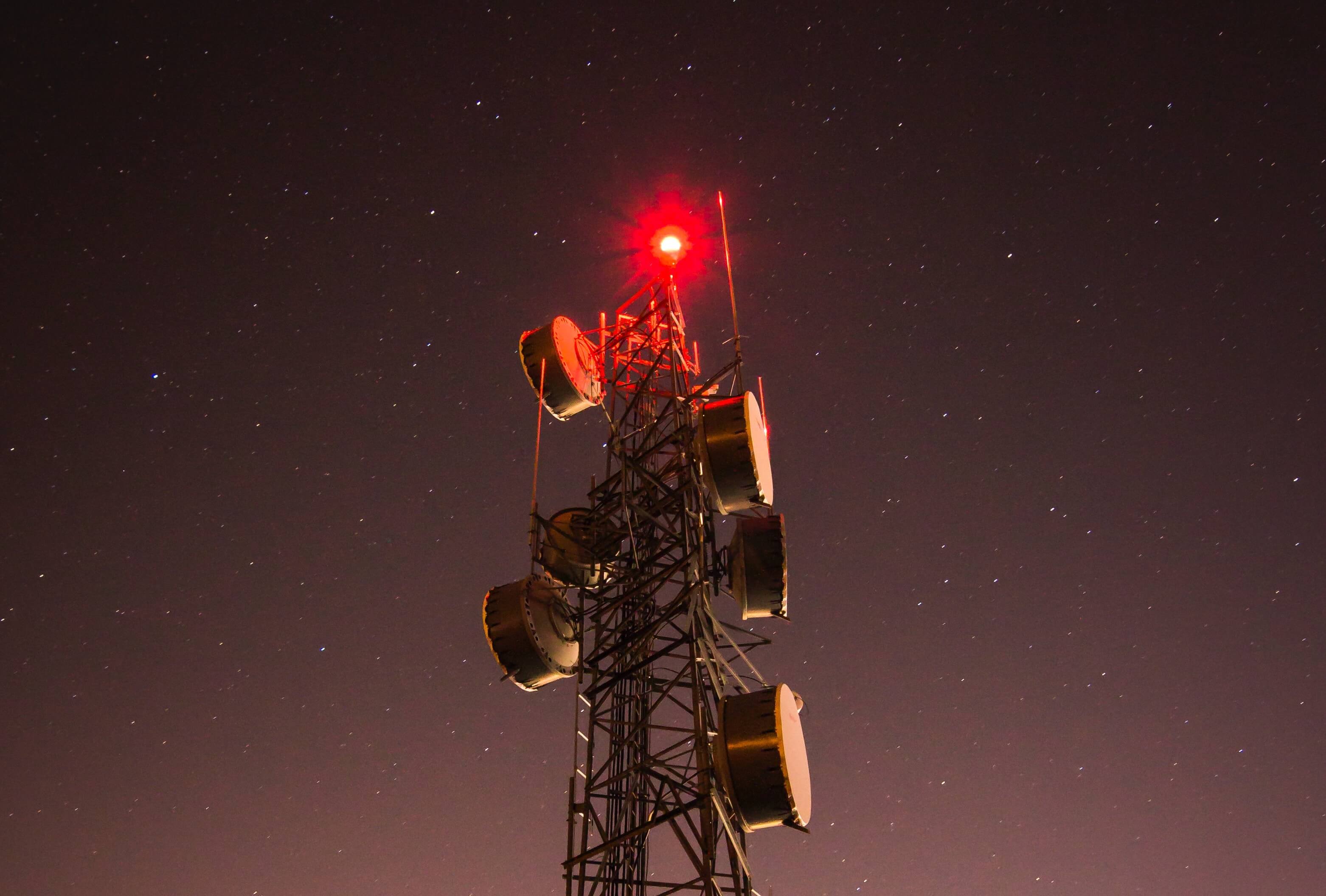
The intensity of cell phone radiation is highest in the proximal region of the tower's coverage area, and it diminishes as the distance from the tower increases. Research has indicated that one individuals surviving in close proximity to a cellular tower experience physical discomforts, including headaches and indigestion. A study study conducted in Germany monitored the inhabitants residing inside a 400-meter radius of two cellular towers for an interval of ten years. In line with the study, individuals residing in closer proximity to the tower exhibited a cancer diagnosis frequency three times greater than those residing at a greater distance.